
 EN
 AR
 NL
 FR
 DE
 EL
 HI
 IT
 JA
 KO
 PT
 RU
 ES
 TL
 IW
 ID
 VI
 SQ
 ET
 HU
 TH
 TR
 FA
 AF
 MS
 BE
 HY
 AZ
 BN
 LO
 LA
 MN
 NE
 MY
 KK
 TG
 UZ
 KY
 XH
 GA
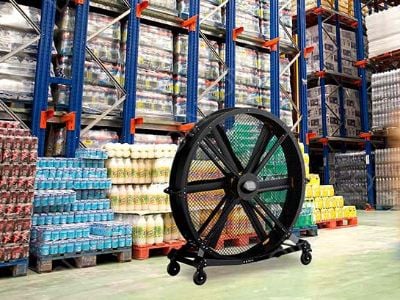
Maximizing Milk Production by Dairy Herds During Hot Weather Using Low-Speed Barn Fan is necessary for dairy farm owners who wish to remain productive in the hottest weather possible. Given that hot weather can significantly reduce milk production, it is imperative that the proper ventilation system is selected. The purpose of this article is to give useful information on how low-speed barn fans improve milking parlour fan production, specifications of barn fans, installation, wholesale, and selection of the best barn fans. 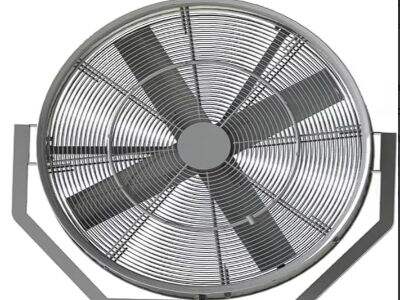
How Low-Speed Barn Fans Enhance Dairy Herd Milk Yield in Summer
During summer heat waves, dairy cows can experience heat stress, which can lead to reduced milk production, lower fertility rates, and even health issues. Low-speed barn fans play a vital role in mitigating these effects by improving airflow and lowering ambient temperatures within dairy barns. These fans operate at lower speeds but move a higher volume of air, creating a gentle breeze that helps dissipate heat and promote evaporative cooling on the cows’ skin.
By maintaining a comfortable environment, low-speed barn fans can increase milk yield by reducing stress levels, encouraging cows to eat more, and facilitating better digestion. In fact, studies have shown that well-ventilated barns can lead to a milk yield increase of up to 10% during peak summer months.
Key Specifications for Low-Speed Barn Fans in Dairy Operations
When selecting low-speed barn fans, it is essential to consider specific specifications that will suit your dairy operations. Key factors include:
Airflow Capacity: Measured in cubic feet per minute (CFM), airflow capacity indicates how much air the fan can move. For dairy barns, a fan should ideally provide between 20,000 to 30,000 CFM to ensure effective cooling.
Diameter and Blade Design: The diameter of the fan typically ranges from 8 to 24 feet. Larger diameters generate more airflow, while blade design, including the number and pitch of blades, affects air distribution and efficiency.
Energy Efficiency: Look for fans with energy-efficient motors that comply with energy-saving certifications. This can significantly reduce operational costs and contribute to a more sustainable farming practice.
Noise Level: A fan's noise level, measured in decibels (dB), is important to maintain a calm environment in the barn. Ideally, fans should operate below 60 dB to avoid stressing the animals.
Durability and Materials: Fans should be constructed from corrosion-resistant materials, especially if exposed to moisture and dust. High-quality materials will lead to longer service life and lower maintenance costs.
Understanding these specifications will help buyers select low-speed barn fans that not only meet their cooling needs but also contribute to the overall efficiency of their dairy operations.
Installation Guidance for Low-Speed Barn Fans in Dairy Facilities
Proper installation of low-speed barn fans is critical for maximizing their effectiveness. Here are key installation considerations:
Fan Placement: Position fans to create a uniform airflow across the barn. Ideally, fans should be mounted at a height of 10 to 14 feet to optimize air distribution without obstructing cow movement.
Spacing: Maintain adequate spacing between fans to avoid airflow interference. A general guideline is to space fans 30 to 50 feet apart, depending on barn size and design.
Electrical Requirements: Ensure that the electrical supply meets the fan's voltage and amperage specifications. It may be beneficial to consult with an electrician to confirm compatibility with existing infrastructure.
Safety Features: Install safety guards to prevent animals from coming into contact with moving parts. Additionally, consider integrating a control system for easy operation and monitoring.
Maintenance Access: Allow space for routine maintenance access around the fan units. Regular inspections and cleaning are necessary to ensure optimal performance and longevity.
Following these installation guidelines will help ensure that low-speed barn fans operate efficiently and effectively contribute to maintaining a comfortable environment for dairy herds.
Wholesale Options for Bulk Orders of Low-Speed Barn Fans
For dairies looking to purchase multiple low-speed barn fans, exploring wholesale options can lead to significant cost savings. FJDIAMOND Fans offers competitive pricing for bulk orders, catering to the needs of large-scale dairy operations.
When considering wholesale purchases, buyers should inquire about:
Minimum Order Quantities (MOQ): Understanding the MOQ can help buyers gauge their purchasing requirements.
Volume Discounts: Many manufacturers offer tiered pricing structures based on order volume. It’s important to assess how many units are needed to take full advantage of these discounts.
Customization Options: If specific design features or specifications are required, check with suppliers about customization capabilities for bulk orders. This ensures that fans meet particular operational needs.
Shipping and Lead Time: Discuss shipping options and estimated delivery times. Efficient logistics are crucial for ensuring fans arrive promptly for installation before peak heat periods.
Warranty and Support: Confirm the warranty terms and the availability of customer support for troubleshooting and maintenance post-purchase.
By negotiating these factors, buyers can secure favorable terms for their bulk fan purchases, ensuring their dairy operations remain efficient and productive.
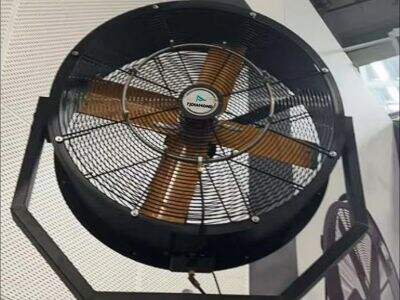
Choosing the Right Barn Fan for Optimal Dairy Herd Performance
Selecting the right barn fan goes beyond simply choosing a model; it involves understanding the specific needs of your dairy operation. Here are some considerations to guide your decision:
Barn Size and Layout: The layout and size of your barn will determine how many fans are needed and their placement. Larger barns may require multiple units to ensure even airflow.
Climate Considerations: Consider the typical temperature and humidity levels in your area. In regions experiencing extreme heat, higher airflow capacity may be necessary to maintain cow comfort.
Budget Constraints: Evaluate the total cost of ownership, which includes purchase price, installation, energy consumption, and maintenance costs. Sometimes, a higher upfront investment in energy-efficient models can lead to savings in the long run.
Animal Behavior: Observe how cows react to airflow. Effective fans should create a comfortable environment, encouraging cows to rest and eat, which are crucial for milk production.
Expert Consultation: Consult with agricultural engineers or ventilation specialists who understand dairy operations. Their insights can be invaluable when selecting fans tailored to your specific needs.
By carefully considering these factors, dairy operations can choose the right low-speed barn big fans for sale that enhance herd performance and boost milk yield, particularly during summer heat waves.
Table of Contents
- How Low-Speed Barn Fans Enhance Dairy Herd Milk Yield in Summer
- Key Specifications for Low-Speed Barn Fans in Dairy Operations
- Installation Guidance for Low-Speed Barn Fans in Dairy Facilities
- Wholesale Options for Bulk Orders of Low-Speed Barn Fans
- Choosing the Right Barn Fan for Optimal Dairy Herd Performance