
 EN
 AR
 NL
 FR
 DE
 EL
 HI
 IT
 JA
 KO
 PT
 RU
 ES
 TL
 IW
 ID
 VI
 SQ
 ET
 HU
 TH
 TR
 FA
 AF
 MS
 BE
 HY
 AZ
 BN
 LO
 LA
 MN
 NE
 MY
 KK
 TG
 UZ
 KY
 XH
 GA
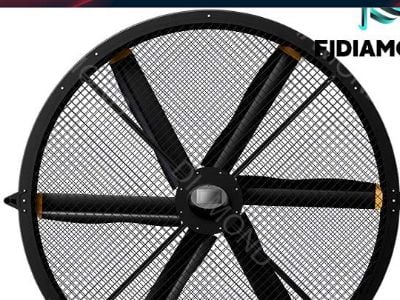
When it comes to industrial ventilation, selecting the right fans is crucial for optimizing airflow and reducing energy costs. Simplifying ventilation procurement by sourcing your whole industrial fan line from a single 25-year factory like FJDIAMOND Fans can significantly streamline the process. This article will help you understand how to choose the right industrial big fan for your needs, the advantages of sourcing from a single manufacturer, key specifications to consider, relevant standards and certifications, and installation guidance for efficient fan setup.
How to Choose the Right Industrial Fan for Your Ventilation Needs?
Selecting the appropriate industrial fan hinges on understanding your specific ventilation requirements. Key factors include the size of the space needing ventilation, the type of airflow required (exhaust, intake, or circulation), and the environment in which the big industrial fan will operate. High-volume, low-speed (HVLS) fans are ideal for large spaces, as they move large volumes of air at low speeds, ensuring comfort without excessive energy consumption.
Consider the fan's diameter and height, as they affect airflow efficiency. For instance, larger fans can cover more area and provide better air distribution. Additionally, evaluate the noise level, especially in environments like warehouses or farms, where excessive noise can disrupt operations. FJDIAMOND Fans provides a range of HVLS and farm fan agriculture that can be tailored to meet diverse ventilation needs, ensuring optimal performance and energy efficiency.
Why Sourcing from One Factory Matters?
Sourcing all your industrial fans from a single manufacturer, such as FJDIAMOND Fans, offers several advantages that can simplify the procurement process. Firstly, consistency in quality is easier to maintain when dealing with one source, as the same quality control procedures and materials are used across the product line. This can lead to a more reliable performance and reduced risk of failure.
Secondly, working with a single supplier often streamlines communication. It simplifies the ordering process, as you only need to manage one point of contact for inquiries, samples, and support. Furthermore, a long-term partnership with a factory that has 25 years of experience can provide insights into product development and customization, ensuring that your specific requirements are met effectively.
Key Specifications to Consider When Buying HVLS Fans Wholesale
When purchasing HVLS fans, several technical specifications should be evaluated to ensure suitability for your application:
Airflow Capacity: Measured in cubic feet per minute (CFM), this indicates the volume of air the fan can move. Higher CFM ratings are generally better for large spaces.
Blade Pitch: The angle of the blades affects airflow efficiency. A steeper pitch can move more air but may require a more powerful motor.
Motor Power: Ensure the motor is powerful enough for the intended use. Look for energy-efficient options that can provide cost savings over time.
Control Options: Consider fans with variable speed settings or remote controls for flexible operation, allowing adjustments based on current needs.
Durability and Materials: Fans made from high-quality, corrosion-resistant materials are essential for longevity, especially in humid or outdoor environments.
By assessing these specifications, you can make informed purchasing decisions that align with your operational goals.
Standards and Certifications for Industrial Fans
When selecting industrial fans, it's essential to ensure they meet industry standards and certifications. FJDIAMOND Fans adheres to recognized quality management systems, such as ISO9001, which confirms a commitment to quality control and continuous improvement. Additionally, certifications like CE and ETL indicate compliance with safety and performance standards, assuring buyers of reliable and safe products.
Buyers should verify these certifications when evaluating potential suppliers. This step is crucial in mitigating risks associated with product quality, safety, and performance. Ensuring that your chosen fans are compliant with relevant regulations can also facilitate smoother operations and reduce liability.
Installation Guidance for Efficient Industrial Fan Setup
Proper installation of industrial fans is vital for maximizing performance and ensuring safety. Here are key considerations for the installation process:
Site Assessment: Evaluate the installation site to determine the optimal fan placement. Consider factors such as ceiling height, nearby obstructions, and airflow paths.
Mounting Options: Determine the best mounting method (e. g., suspended, wall-mounted) based on the space and fan type. Proper mounting ensures stability and optimal airflow.
Electrical Requirements: Ensure that the electrical supply meets the fan's requirements. Installation should comply with local electrical codes, and it may be advisable to consult a licensed electrician.
Testing and Adjustments: After installation, conduct tests to confirm that the fan operates as expected. Adjust settings as necessary to achieve the desired airflow and comfort levels.
Regular Maintenance: Establish a maintenance schedule to ensure the fans remain in good working order. Regular inspections can identify potential issues before they become significant problems.
By adhering to these installation guidelines, buyers can enhance the longevity and effectiveness of their industrial fans, ensuring that they deliver optimal performance throughout their operational life.
In summary, sourcing your entire industrial fan line from a single, experienced manufacturer like FJDIAMOND Fans can simplify procurement while ensuring quality and consistency. Understanding the specific ventilation needs, evaluating key specifications, confirming compliance with standards, and ensuring proper installation will lead to a successful ventilation solution tailored to your operational requirements.