
 EN
 AR
 NL
 FR
 DE
 EL
 HI
 IT
 JA
 KO
 PT
 RU
 ES
 TL
 IW
 ID
 VI
 SQ
 ET
 HU
 TH
 TR
 FA
 AF
 MS
 BE
 HY
 AZ
 BN
 LO
 LA
 MN
 NE
 MY
 KK
 TG
 UZ
 KY
 XH
 GA
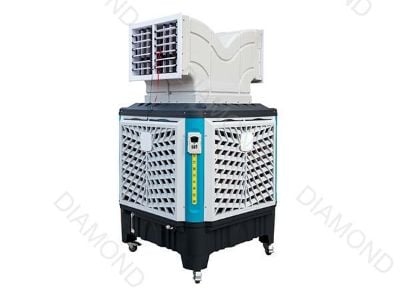
Cutting fixed-AC costs on open loading docks with a portable evaporative air cooler can be a game-changer for businesses looking to optimize their cooling solutions. This article addresses key considerations for purchasing managers and facility operators in industrial and commercial spaces, focusing on how these coolers can reduce operational costs without sacrificing comfort or efficiency. By exploring practical applications, investment evaluations, and installation guidance, readers will gain valuable insights to make informed decisions when evaluating air cooling solutions for open loading docks
What to Consider When Choosing a Portable Evaporative Air Cooler
When selecting a portable evaporative air cooler for open loading docks, several factors come into play. Firstly, the cooler's size and capacity are crucial. An appropriate capacity ensures efficient cooling for the intended space, helping to maintain a comfortable working environment. Buyers should consider the square footage of the dock area and the average ambient temperature when making this decision
Secondly, energy efficiency is a key consideration. Look for models that are designed to operate with lower energy consumption, as this directly impacts operational costs. Many evaporative coolers come with energy ratings that can guide buyers in making cost-effective choices
Material and build quality also affect the cooler's durability and performance. Choose models made with corrosion-resistant materials, especially if they will be exposed to moisture and dust. Additionally, consider the ease of maintenance; models that allow for simple cleaning and filter replacement will save time and reduce long-term costs
Lastly, evaluate the cooling technology used in the unit. Portable evaporative air coolers can vary in their methods of moisture evaporation and air distribution, and choosing the right technology can enhance cooling efficiency and comfort levels within the dock area
Evaluating Your Investment in Air Cooling Solutions
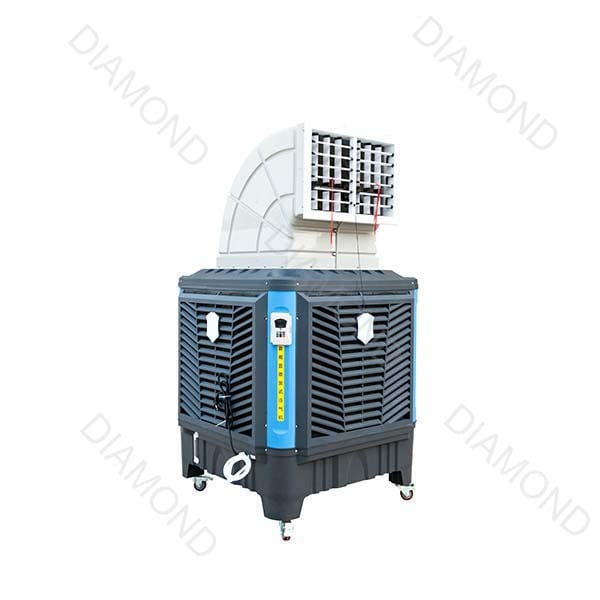
Investing in a portable evaporative air cooler requires careful analysis of both upfront and long-term costs. Start by calculating the initial purchase price of the cooler along with installation expenses. Compare these costs against potential savings from reduced air conditioning expenses, especially in regions where traditional AC systems consume large amounts of electricity
It is essential to consider the operating costs, including water usage, energy consumption, and maintenance needs. Portable evaporative coolers typically have lower energy and water costs compared to traditional air conditioning systems. This can lead to significant savings over time, particularly in large open spaces like loading docks
Additionally, assess the return on investment (ROI) over time by estimating how the cooler will enhance worker productivity through improved comfort levels. A more comfortable working environment can lead to increased efficiency and lower employee turnover, contributing to overall business performance
Finally, keep in mind any warranty and support services that come with the unit. A robust warranty can provide peace of mind and cover unexpected repair costs, making the investment more secure
Effective Applications of Portable Evaporative Air Coolers in Warehouses
Portable evaporative air coolers are particularly beneficial in warehouse settings, especially in areas where conventional air conditioning may be impractical or cost-prohibitive. These coolers work effectively in large, open spaces, where they can quickly circulate cool air and lower the ambient temperature
In loading docks, for instance, these units can help maintain a comfortable environment for workers during peak heat times, improving safety and productivity. The ability to move these coolers easily allows for flexible placement, ensuring that airflow is directed where it's needed most
In addition to loading docks, portable evaporative air coolers can be utilized in storage areas to prevent overheating of goods, especially sensitive items that may be affected by high temperatures. By regulating the temperature and humidity, these coolers can help preserve product integrity and reduce spoilage
Moreover, in assembly lines, maintaining a comfortable temperature can enhance worker efficiency and reduce fatigue. By implementing portable evaporative air coolers, businesses can provide a more enjoyable working environment, which can translate into improved overall operations
Installation Guidance for Portable Evaporative Air Coolers on Docks
Proper installation of portable evaporative air coolers is critical to their performance. Begin by positioning the cooler near an open space or doorway to maximize airflow and allow for effective cooling. Ensure that the cooler has adequate access to water for optimal operation
Next, consider the power source for the cooler. Most models require standard electrical outlets, so verify the availability of power near the intended installation site. Additionally, ensure that there is easy access for maintenance and cleaning, as this will help prolong the unit's lifespan
When installing the cooler, avoid placing it in direct sunlight or near heat sources, as this can reduce its cooling efficiency. Instead, aim for shaded areas or use reflective barriers to enhance performance
Lastly, familiarize staff with the operational controls and maintenance requirements of the cooler. Training employees on how to properly use and care for the unit can prevent potential issues and ensure it operates at peak efficiency throughout its lifespan
Common Problems and Solutions for Loading Dock Cooling Issues
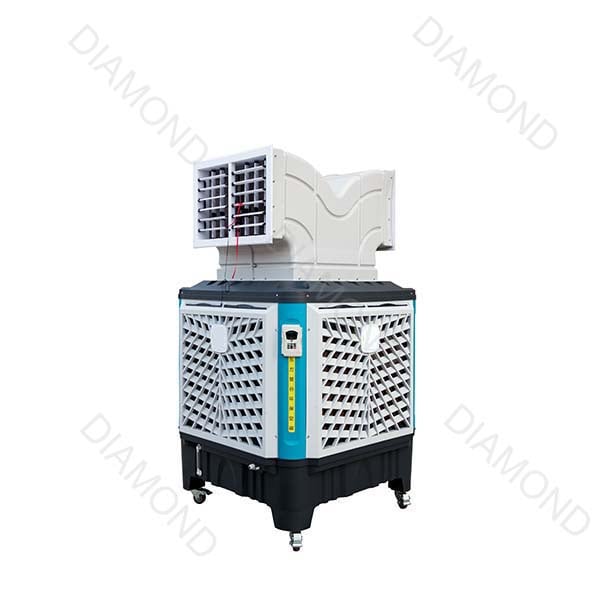
Loading docks are often challenging environments for maintaining optimal temperatures, but understanding common problems can help in finding effective solutions. One typical issue is inefficient cooling due to improper placement of the evaporative cooler. To resolve this, regularly assess airflow and adjust the cooler's position to ensure air is directed toward high-traffic areas
Another common concern is excessive humidity. While evaporative coolers are designed to add moisture to the air, overly humid conditions can make the environment uncomfortable. Monitoring humidity levels is essential, and in excessively humid climates, consider using the cooler in tandem with dehumidifiers or exhaust fans to balance moisture levels
Maintenance issues can also arise if filters are not cleaned or replaced regularly, leading to decreased airflow and efficiency. Establish a routine maintenance schedule to ensure filters are adequately maintained and the unit is kept clean
Lastly, ensure that the cooler’s water supply is consistent. Interruptions in water supply can lead to inefficient cooling. Regularly check the water level and the functionality of the water line, and consider using a water level indicator if the unit does not have one built-in
By proactively addressing these common problems, businesses can enhance the effectiveness of portable evaporative air cooler, ensuring a comfortable working environment in loading dock areas
Table of Contents
- What to Consider When Choosing a Portable Evaporative Air Cooler
- Evaluating Your Investment in Air Cooling Solutions
- Effective Applications of Portable Evaporative Air Coolers in Warehouses
- Installation Guidance for Portable Evaporative Air Coolers on Docks
- Common Problems and Solutions for Loading Dock Cooling Issues