
 EN
 AR
 NL
 FR
 DE
 EL
 HI
 IT
 JA
 KO
 PT
 RU
 ES
 TL
 IW
 ID
 VI
 SQ
 ET
 HU
 TH
 TR
 FA
 AF
 MS
 BE
 HY
 AZ
 BN
 LO
 LA
 MN
 NE
 MY
 KK
 TG
 UZ
 KY
 XH
 GA
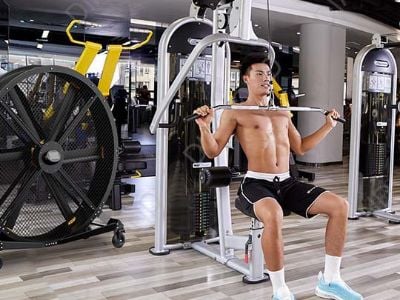
Keeping fitness members comfortable without overpowering background music with a low-noise gym fan is essential for creating an inviting workout environment. Selecting the right fan not only enhances member comfort but also ensures that the atmosphere remains conducive to exercise. As a purchasing manager or facility operator, your concerns may include noise levels, energy efficiency, and maintenance requirements. This article will guide you through the key considerations when looking for a low-noise gym fan, providing valuable insights into specifications, fit, costs, and benefits
Choosing the Right Low-Noise Gym Fan for Optimal Comfort
When selecting a low-noise gym fan, it's critical to consider the fan's noise level, airflow capacity, and design. Noise levels are typically measured in decibels (dB); for gym environments, fans that operate at 50 dB or lower are ideal, as they maintain a quiet atmosphere without disrupting conversations or music. Airflow capacity, measured in cubic feet per minute (CFM), should be sufficient to circulate air throughout the space, ensuring comfort without overwhelming sound
The design of the fan also plays a key role. HVLS (high-volume, low-speed) fans, for instance, are specifically engineered to move large volumes of air at low speeds, resulting in less noise while maximizing airflow. Choosing the right style—whether ceiling-mounted or portable—will depend on your gym’s layout and specific cooling requirements
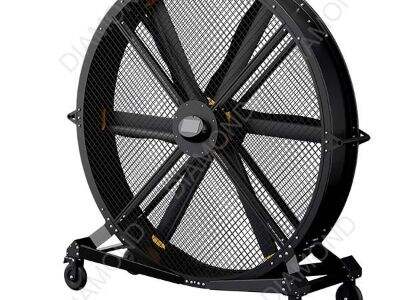
Technical Specifications for Low-Noise Gym Fans Explained
Understanding the technical specifications of low-noise gym fans can significantly impact your purchasing decision. Key specifications include
CFM Rating: This indicates how much air the fan can move. For gyms, a CFM rating of around 5000 to 15,000 is often appropriate, depending on the space's size and layout
Decibel Level (dB): As mentioned, lower dB ratings mean quieter operation. Aim for fans that operate at 50 dB or less to maintain a comfortable noise level
Blade Design and Material: The shape and material of the blades affect both noise and efficiency. Airfoil blades made of lightweight materials are typically quieter and more efficient
Motor Type: Brushless DC motors tend to be quieter and more energy-efficient compared to traditional AC motors, making them ideal for gym applications
These specifications are essential for ensuring that the fan meets the operational and comfort needs of your facility while being energy-efficient
Finding the Best Fit for Your Gym
To find the best fit for your gym, assess both the physical space and the specific needs of your members. Start by measuring the area where the gym fan will be installed. For larger gyms, multiple fans may be necessary to ensure consistent airflow
Consider the layout—high ceilings may benefit from HVLS fans, which can move air over a larger area without excessive noise. Additionally, think about the fan’s aesthetics and how it will blend with your gym's design. Sleek, modern designs can enhance the overall look of the space while providing functional benefits
Consulting with a reputable manufacturer like FJDIAMOND Fans can also provide insights into the best models for your specific requirements. They can recommend customized solutions based on your gym's dimensions and airflow needs
Understanding the Cost Factors of Low-Noise Gym Fan Solutions
The cost of low-noise gym fans can vary significantly based on several factors, including the fan type, size, and features. Here are some key cost considerations
Initial Purchase Price: While some budget options may seem attractive, investing in high-quality, energy-efficient fans can reduce long-term operational costs. Expect to pay more for features like advanced motor technology or custom designs
Installation Costs: Depending on the fan's design, installation may require professional assistance. Ceiling-mounted fans, for instance, may incur additional labor costs compared to portable units
Operating Costs: Energy-efficient models can lead to lower electricity bills over time. Look for fans with high energy efficiency ratings to maximize savings
Maintenance and Warranty: Consider the long-term costs associated with maintenance and the warranty offered by the manufacturer. A robust warranty can save money in the event of repairs or replacements
By understanding these factors, you can make a more informed decision that balances upfront costs with long-term value
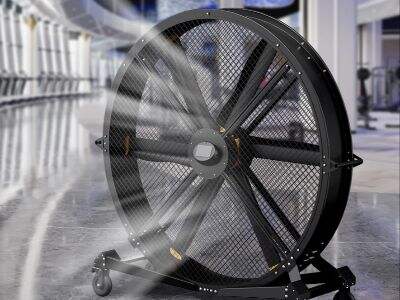
Benefits of Low-Noise Gym Fans in Enhancing Member Experience
Investing in low-noise gym fans presents numerous benefits for enhancing member experience
Improved Comfort: By maintaining a consistent airflow, these fans help regulate temperature and humidity, ensuring a comfortable workout environment. This is particularly crucial during peak hours when gyms are crowded
Enhanced Focus: A quieter atmosphere allows members to concentrate on their workouts without distractions from loud fans or background music. This can improve overall satisfaction and retention
Energy Efficiency: Low-noise fans often utilize energy-efficient technologies, reducing operational costs while promoting sustainability. This aligns with the growing trend toward eco-friendly practices in fitness facilities
Versatility: Many low-noise fans can be adjusted for different settings, providing flexibility in airflow direction and intensity. This adaptability allows gyms to cater to varying member preferences and workout types
By prioritizing member comfort and experience, gyms can not only enhance satisfaction but also boost membership retention and attract new clients
In summary, keeping fitness members comfortable without overpowering background music with a low-noise gym fan is a vital consideration for any gym operator. By understanding the technical specifications, selecting the right fit for your space, evaluating cost factors, and recognizing the benefits, you can make an informed purchasing decision that enhances the overall environment of your facility