 EN
EN
 AR
AR
 NL
NL
 FR
FR
 DE
DE
 EL
EL
 HI
HI
 IT
IT
 JA
JA
 KO
KO
 PT
PT
 RU
RU
 ES
ES
 TL
TL
 IW
IW
 ID
ID
 VI
VI
 SQ
SQ
 ET
ET
 HU
HU
 TH
TH
 TR
TR
 FA
FA
 AF
AF
 MS
MS
 BE
BE
 HY
HY
 AZ
AZ
 BN
BN
 LO
LO
 LA
LA
 MN
MN
 NE
NE
 MY
MY
 KK
KK
 TG
TG
 UZ
UZ
 KY
KY
 XH
XH
 GA
GA
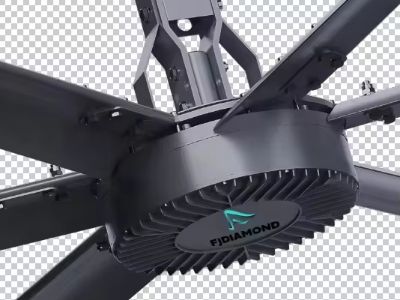
Retrofitting legacy buildings with an industrial ceiling fan can significantly reduce utility overhead while enhancing comfort and air circulation. As businesses seek ways to manage energy costs and improve employee satisfaction, the relevance of high-volume, low-speed (HVLS) fans becomes increasingly clear. This article will explore important considerations for selecting and installing industrial ceiling fans in older structures, evaluate cost factors, identify common legacy building issues that fans can address, and discuss the benefits of partnering with reliable suppliers like FJDIAMOND Fans.
What to Consider When Choosing an Industrial Ceiling Fan for Retrofitting?
When selecting an industrial ceiling fan for retrofitting legacy buildings, several key factors come into play. First, consider the fan size, which should be suitable for the dimensions of the space. Larger fans can effectively circulate air in expansive areas, while smaller fans may be more appropriate for confined spaces.
Next, evaluate the fan's energy efficiency. Look for models with energy-efficient motors and blades designed to maximize airflow while minimizing energy consumption. This is crucial for reducing operational costs over time, especially in older buildings where energy waste can be significant.
Additionally, consider the fan's noise level. Many industrial fans are designed to operate quietly, which is essential in environments where noise can disrupt work. Finally, assess the fan's design and finish to ensure it complements the aesthetics of the building while meeting safety regulations.
Installation Guidelines for Industrial Ceiling Fans in Older Structures
Installing industrial ceiling fans in legacy buildings requires careful planning to ensure safety and effectiveness. First, assess the structural integrity of the ceiling. Older buildings may have unique architectural features or compromised structures, so it's vital to consult with a structural engineer if there are any concerns about load-bearing capacities. Next, ensure that the installation height is appropriate. Fans should be mounted high enough to allow for optimal air circulation but low enough to be effective. Typically, the blades should be positioned at least 10 foot ceiling fan above the floor to prevent interference with personnel and equipment.
Wiring and electrical considerations are also critical. Verify that the existing electrical systems can handle the additional load of the fans, and follow local codes and regulations during installation. Professional installation is recommended to ensure all safety standards are met and to optimize fan performance.
Cost Factors to Evaluate When Retrofitting with Ceiling Fans
When retrofitting legacy buildings with industrial ceiling fans, understanding the cost factors involved is essential for effective budgeting. Initial costs include the purchase price of the fans, which can vary based on size and features, as well as installation costs. Professional installation may add to the upfront expense but can prevent future issues related to improper installation.
Operational costs should also be considered. Energy-efficient fans can lead to significant savings on utility bills, particularly in larger facilities where air conditioning costs are substantial. Additionally, maintenance costs should be factored into the equation. Regular maintenance ensures longevity and performance, minimizing unexpected repair expenses.
Lastly, consider any potential tax incentives or rebates for energy-efficient upgrades available through local or federal programs. These can offset initial costs and enhance the return on investment for retrofitting projects.
Common Problems in Legacy Buildings and Fan Solutions to Consider
Legacy buildings often present unique challenges, including inadequate ventilation, temperature inconsistencies, and energy inefficiencies. Industrial ceiling fans can provide effective solutions to these common problems. For inadequate ventilation, fans enhance air circulation, improving indoor air quality and reducing the buildup of stale air. This is particularly important in environments where dust, fumes, or other pollutants may accumulate.
Temperature inconsistencies can be addressed by distributing warm air that rises to the ceiling during colder months. HVLS fans create gentle downdrafts, helping to maintain a consistent temperature throughout the space and reducing reliance on heating systems. Energy inefficiencies are another significant concern in older buildings. By retrofitting with energy-efficient ceiling fans, businesses can significantly reduce their carbon footprint and operating costs, contributing to sustainability efforts while improving overall comfort.
Benefits of Partnering with Reliable Suppliers for Ceiling Fans
Partnering with a reliable supplier, such as FJDIAMOND Fans, offers several advantages when retrofitting legacy buildings with industrial ceiling fans. First, established suppliers bring a wealth of expertise in fan technology and application, ensuring you choose the right products for your specific needs.
Quality assurance is another critical benefit. Suppliers with rigorous quality control processes, like FJDIAMOND, ensure that the fans meet industry standards and perform as expected. This reduces the risk of operational failures and enhances overall satisfaction with the product.
Additionally, a reputable supplier can assist with customization options, allowing buyers to tailor fans to fit specific operational requirements or aesthetic preferences. They can also provide valuable insights into installation best practices and maintenance schedules, further supporting a successful retrofitting project.
retrofitting legacy buildings with industrial ceiling fans for outside can lead to substantial energy savings and improved comfort. By considering factors such as fan selection, installation guidelines, cost evaluations, and partnering with trusted suppliers, businesses can make informed decisions that enhance their operational efficiency.
Table of Contents
- What to Consider When Choosing an Industrial Ceiling Fan for Retrofitting?
- Installation Guidelines for Industrial Ceiling Fans in Older Structures
- Cost Factors to Evaluate When Retrofitting with Ceiling Fans
- Common Problems in Legacy Buildings and Fan Solutions to Consider
- Benefits of Partnering with Reliable Suppliers for Ceiling Fans