
 EN
EN
 AR
AR
 NL
NL
 FR
FR
 DE
DE
 EL
EL
 HI
HI
 IT
IT
 JA
JA
 KO
KO
 PT
PT
 RU
RU
 ES
ES
 TL
TL
 IW
IW
 ID
ID
 VI
VI
 SQ
SQ
 ET
ET
 HU
HU
 TH
TH
 TR
TR
 FA
FA
 AF
AF
 MS
MS
 BE
BE
 HY
HY
 AZ
AZ
 BN
BN
 LO
LO
 LA
LA
 MN
MN
 NE
NE
 MY
MY
 KK
KK
 TG
TG
 UZ
UZ
 KY
KY
 XH
XH
 GA
GA
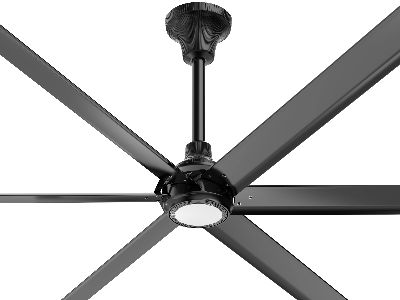
Consolidating lighting and ventilation fixtures with an industrial ceiling fan with light can streamline operations in a variety of settings, from warehouses to manufacturing plants. This integration addresses common B2B buyer concerns, such as energy efficiency, space utilization, and operational costs. We will explore critical factors to consider when selecting these fixtures, guidance on sourcing and installation, common integration challenges, and effective comparison strategies.
What to Consider When Choosing Industrial Ceiling Fans with Light?
When selecting industrial ceiling fans with integrated lighting, key factors include size, airflow capacity, energy efficiency, and illumination quality. The fan size should match the space's dimensions to ensure optimal air circulation. For example, larger areas may require fans with a higher airflow capacity, typically measured in cubic feet per minute (CFM). This ensures adequate cooling, especially during peak operational hours. Energy efficiency is vital for reducing operational costs. Look for models with energy-efficient motors and LED lighting. These components not only lower electricity bills but also contribute to sustainability goals. Additionally, consider the lighting specifications lumens, color temperature, and beam angle play crucial roles in creating a conducive working environment. The chosen light should provide adequate brightness without causing glare, which can affect worker productivity. Lastly, ensure that the industrial barn ceiling fan complies with relevant safety and quality standards, such as ISO9001, CE, and ETL certifications. These certifications indicate that the product meets specific safety and performance criteria, providing peace of mind for buyers.
Finding Trusted Sources for Bulk Orders
When sourcing industrial ceiling fans with light for bulk orders, it is essential to establish relationships with reputable manufacturers. Look for suppliers with a proven track record in the industry. Evaluate their production capabilities, including the technology used and the certifications they hold. FJDIAMOND Fans, for example, operates a state-of-the-art factory equipped with advanced machinery, ensuring high-quality production standards. Request quotes from multiple suppliers, specifying your requirements such as quantities, delivery times, and customization options. This will help you gauge pricing structures and lead times, allowing you to make informed decisions. Furthermore, consider suppliers who offer comprehensive support, including technical assistance and after-sales service. This support can be invaluable for resolving any issues that may arise during installation or operation.
Installation Guidance for Ceiling Fans with Integrated Lighting
Proper installation of industrial ceiling fans with integrated lighting is crucial for optimal performance and safety. Begin by reviewing the manufacturer's installation guidelines, which often include specific requirements for mounting height, electrical connections, and safety clearances. For example, ceiling fans should be installed at least 8 to 10 feet above the floor to maximize airflow and minimize safety hazards. Additionally, ensure that the electrical system can accommodate the fan's power requirements. This may involve consulting with an electrician to assess the existing best rated outdoor ceiling fans and making necessary adjustments. It’s also wise to consider the fan's orientation and the layout of the space to maximize airflow efficiency. Performing a pre-installation inspection can identify potential issues, such as structural support or wiring compatibility. If possible, conduct the installation during off-peak hours to minimize disruption to operations.
Common Problems with Lighting Fixtures and Fan Integration
Integrating lighting fixtures with industrial ceiling fans can present several challenges. One common issue is vibration, which can occur if the fan is not properly balanced or if it is installed on an uneven surface. This can lead to noise and potential damage over time. To mitigate this, ensure that the fan is correctly calibrated, and consider using vibration dampening mounts. Another concern is compatibility between the fan and lighting systems, particularly regarding electrical connections. Ensure that both systems are compatible in terms of voltage and wattage. Misalignment here can lead to electrical failures, which may require costly repairs.
Additionally, consider the maintenance requirements of both systems. Integrated fixtures can complicate access for routine maintenance and bulb replacements. Design the installation with ease of access in mind, ensuring that maintenance personnel can safely reach all components.
How to Compare Lighting and Ventilation Options Effectively?
When comparing lighting and ventilation options, it is essential to evaluate both performance and cost-effectiveness. Start by assessing the airflow requirements of your space. Different environments such as manufacturing facilities versus warehouses will have distinct ventilation needs. Calculate the CFM required based on the space’s size and the number of occupants. Next, compare the energy consumption of different models. While initial costs may vary, consider long-term operational expenses, including energy usage and maintenance costs. An energy-efficient fan may have a higher upfront cost but could lead to significant savings over time.
Finally, factor in the versatility and customization options available. Some manufacturers, like FJDIAMOND Fans, may offer tailored solutions that allow for specific configurations suited to unique operational needs. Customization can include variations in ceiling fans blade design, color, and lighting features, ensuring that the final product aligns with your company's branding and functional requirements. By taking a comprehensive approach to evaluating these factors, B2B buyers can make informed decisions that enhance operational efficiency and reduce costs.