
 EN
EN
 AR
AR
 NL
NL
 FR
FR
 DE
DE
 EL
EL
 HI
HI
 IT
IT
 JA
JA
 KO
KO
 PT
PT
 RU
RU
 ES
ES
 TL
TL
 IW
IW
 ID
ID
 VI
VI
 SQ
SQ
 ET
ET
 HU
HU
 TH
TH
 TR
TR
 FA
FA
 AF
AF
 MS
MS
 BE
BE
 HY
HY
 AZ
AZ
 BN
BN
 LO
LO
 LA
LA
 MN
MN
 NE
NE
 MY
MY
 KK
KK
 TG
TG
 UZ
UZ
 KY
KY
 XH
XH
 GA
GA
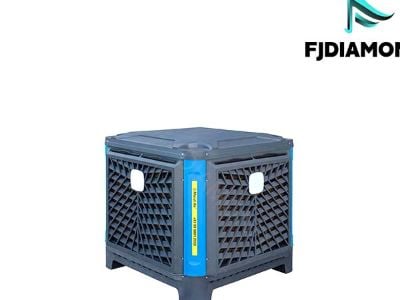
Evaporation-based cooling systems are increasingly recognized as a superior alternative to traditional compressor systems in semi-outdoor logistics bays. This article will delve into why evaporation-based cooling outperforms compressor systems, addressing key concerns for B2B buyers, such as energy efficiency, installation requirements, and common issues associated with compressor systems. By the end, readers will have a clearer understanding of the benefits and practical considerations of adopting evaporation cooling fans systems in their logistics operations.
What Makes Evaporation-Based Cooling Ideal for Logistics Bays?
Evaporation-based cooling systems utilize the natural process of water evaporating to cool the surrounding air, making them particularly effective in logistics bays where large volumes of air need to be managed. One of the primary advantages is their ability to significantly reduce indoor temperatures without the heavy reliance on mechanical refrigeration. This is especially beneficial in semi-outdoor environments where humidity levels can be managed without complicating the system.
For logistics facilities, maintaining optimal temperatures can be crucial for preserving perishable goods and ensuring a comfortable working environment. Evaporation cooling systems can achieve these goals while consuming less energy than compressor systems, thereby reducing operational costs. Additionally, their low maintenance requirements and ability to operate without refrigerants make them a more environmentally friendly option, which can be a critical consideration for companies aiming to improve their sustainability efforts.
Key Specifications of Evaporation Cooling Systems for Buyers
When evaluating evaporation cooling systems, buyers should pay attention to several key specifications:
Cooling Capacity: This is typically measured in tons and indicates the system's ability to cool air. Buyers should assess the required cooling capacity based on the size of the logistics bay and the expected heat load.
Water Consumption: Since evaporation cooling relies on water, understanding the system's water usage is essential. Low water consumption rates can lead to reduced operational costs and minimize the impact on local water resources.
Ambient Temperature Range: Ensure the outdoor cooling fans system can operate effectively within the temperature range typical for your logistics environment. Systems designed for high ambient temperatures are critical in warm climates.
Installation Requirements: Buyers should consider the space needed for installation, including any necessary ductwork or mounting structures. Compatibility with existing HVAC systems can also impact installation complexity and costs.
Maintenance Needs: Look for systems designed for easy maintenance access. Regular cleaning and upkeep are essential for optimal performance and longevity.
Understanding these specifications will aid buyers in selecting a cooling system that aligns with their operational needs and constraints.
Installation Guidance for Evaporation Cooling in Logistics Settings
Installing evaporation cooling systems in logistics settings requires careful planning and execution to ensure optimal performance. Here are key steps to follow:
Site Assessment: Before installation, conduct a thorough assessment of the logistics bay, including airflow patterns, heat sources, and humidity levels. This will help determine the best location for the Greenhouse cooling fan units.
Duct Design: Proper duct design is crucial for effective air distribution. Engage with HVAC professionals to design a duct system that maximizes airflow and minimizes energy loss.
Water Supply Setup: Ensure a reliable water supply is available to the cooling system. This may involve connecting to existing plumbing or installing new water lines.
Electrical Connections: Confirm that electrical requirements are met for the new system, including voltage and amperage ratings.
Testing and Calibration: After installation, conduct thorough testing to ensure the system operates effectively. Adjust settings as needed to achieve the desired cooling levels.
Following these steps will help ensure a smooth installation process and optimal performance from the evaporation cooling system.
Common Problems with Compressor Systems and Their Solutions
Despite their widespread use, compressor systems often encounter several issues that can hinder performance and efficiency:
High Energy Consumption: Compressor systems can consume significant amounts of energy, leading to higher operational costs. Solutions involve regularly maintaining the system, optimizing settings, and considering energy-efficient models.
Refrigerant Leaks: Leaks can reduce cooling efficiency and pose environmental hazards. Regular inspections and maintenance can help identify and address leaks promptly.
Temperature Fluctuations: Inadequate insulation or poor airflow can lead to inconsistent temperatures, impacting product quality. Solutions include improving insulation and optimizing ductwork to ensure even airflow.
High Maintenance Costs: Compressor systems often require extensive maintenance, which can be costly. Investing in preventive maintenance and considering alternative cooling methods, such as evaporation cooling, can reduce these costs.
By understanding these common issues, buyers can better evaluate the long-term viability of compressor systems and consider alternatives that may offer improved reliability and lower operating costs.
Why Evaporation Cooling Systems Enhance Energy Efficiency in Logistics?
Evaporation cooling systems significantly enhance energy efficiency in logistics operations for several reasons:
Reduced Energy Demand: These systems require less electricity than compressor systems, as they rely on the natural process of evaporation rather than mechanical refrigeration. This translates to lower energy costs and a reduced carbon footprint.
Enhanced Air Quality: Evaporation cooling systems can help improve indoor air quality by introducing fresh, humidified air while exhausting stale air. This is particularly advantageous in logistics settings where employee comfort is essential for productivity.
Lower Operating Costs: With decreased energy consumption and less frequent maintenance needs, businesses that switch to evaporation cooling can experience substantial savings over time.
Adaptability to Climate: Evaporation cooling systems perform exceptionally well in hot and dry environments, making them suitable for many logistics operations. Their ability to cool without the need for refrigerants also aligns with growing environmental regulations.
By prioritizing energy efficiency, businesses not only reduce costs but also enhance their reputation as environmentally responsible operations. This is increasingly important for B2B buyers who are considering the sustainability of their supply chain partners.
In summary, evaporation-based cooling systems present a compelling solution for logistics bays, offering efficiency, cost savings, and environmental benefits that outperform traditional compressor systems. Understanding their specifications, installation requirements, and the common issues faced by compressor systems will empower buyers to make informed decisions that enhance their operations.
Table of Contents
- What Makes Evaporation-Based Cooling Ideal for Logistics Bays?
- Key Specifications of Evaporation Cooling Systems for Buyers
- Installation Guidance for Evaporation Cooling in Logistics Settings
- Common Problems with Compressor Systems and Their Solutions
- Why Evaporation Cooling Systems Enhance Energy Efficiency in Logistics?