
 EN
EN
 AR
AR
 NL
NL
 FR
FR
 DE
DE
 EL
EL
 HI
HI
 IT
IT
 JA
JA
 KO
KO
 PT
PT
 RU
RU
 ES
ES
 TL
TL
 IW
IW
 ID
ID
 VI
VI
 SQ
SQ
 ET
ET
 HU
HU
 TH
TH
 TR
TR
 FA
FA
 AF
AF
 MS
MS
 BE
BE
 HY
HY
 AZ
AZ
 BN
BN
 LO
LO
 LA
LA
 MN
MN
 NE
NE
 MY
MY
 KK
KK
 TG
TG
 UZ
UZ
 KY
KY
 XH
XH
 GA
GA
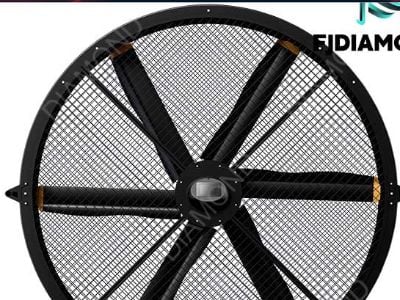
Bridging the Cooling Gap During Peak Load Events with a Heavy-Duty Floor Fan is essential for various industrial and commercial applications, especially during periods of extreme heat. For purchasing managers and facility operators, understanding the intricacies of sourcing and implementing these fans can significantly impact operational efficiency and employee comfort. This article aims to provide insights into key considerations, installation guidance, common issues, and applications of heavy-duty floor cooling fans, ensuring that decision-makers are well-informed before making a purchase.
Where to Source Reliable Heavy-Duty Floor Fans for Wholesale Orders?
When sourcing heavy-duty floor fans for wholesale orders, it is crucial to partner with reputable manufacturers who prioritize quality and efficiency. Look for suppliers that offer HVLS (high-volume, low-speed) fans, as they are designed to provide effective air circulation in large spaces while consuming less energy.
FJDIAMOND Fans, for instance, operates from a state-of-the-art facility equipped with 170 advanced machines, ensuring high production standards. It’s advisable to inquire about certifications such as ISO9001, CE, and ETL, which demonstrate a commitment to quality and safety. Additionally, consider suppliers with a proven track record of serving clients in diverse industries across multiple countries, as this indicates reliability and experience in handling various requirements.
Cost Factors to Analyze When Purchasing Heavy-Duty Floor Fans
Understanding the cost implications of heavy-duty floor fans is essential for budget-conscious buyers. Key factors that influence pricing include:
Material Quality: Fans constructed from durable, corrosion-resistant materials may have a higher upfront cost but typically offer better longevity and performance.
Energy Efficiency: Energy-efficient models can reduce operational costs over time, making them a more economical choice in the long run.
Customization Options: Customization features, such as specific dimensions or performance specifications tailored to particular applications, can also affect pricing.
Order Quantity: Many manufacturers offer tiered pricing based on order volume, so it’s beneficial to assess minimum order quantities (MOQ) and potential discounts for bulk purchases.
By analyzing these factors, buyers can make informed decisions that align with their operational needs and financial constraints.
Installation Guidance for Heavy-Duty Floor Fans in Commercial Settings
Proper installation of heavy-duty floor fans is critical to ensure optimal performance and safety. Before installation, review the fan's specifications to determine the best location for maximum air circulation. Here are some practical steps to follow:
Site Assessment: Evaluate the area where the cooling industrial fans will be installed, considering factors such as ceiling height, airflow direction, and potential obstructions.
Mounting Options: Depending on the model, some fans may require ceiling mounts while others can be freestanding. Ensure that the mounting structure can support the fan's weight and operational vibrations.
Electrical Requirements: Confirm that the electrical supply meets the fan's voltage and current specifications. It may be necessary to consult with an electrician to ensure compliance with local safety regulations.
Orientation and Adjustments: Once installed, adjust the fan’s angle and height as needed to achieve optimal airflow across the intended space.
Proper adherence to these guidelines helps bridge the cooling gap effectively during peak load events.
Common Problems and Solutions with Heavy-Duty Floor Fans Explained
Despite their robust design, heavy-duty floor fans may encounter a few common issues. Understanding these problems and their solutions can enhance operational efficiency:
Noise Levels: If a fan operates louder than expected, check for loose screws or debris in the blades. Tightening screws and ensuring clean blades can often resolve this issue.
Inadequate Airflow: If airflow is insufficient, verify that the industrial cooling fan is installed at the correct height and orientation. Additionally, inspect for obstructions that may hinder airflow.
Motor Malfunctions: If the fan fails to start, check the power supply and the motor for any signs of wear. Regular maintenance checks can help identify potential issues before they escalate.
Vibration: Excessive vibration can result from improper installation or an unbalanced fan. Ensure that the fan is level and securely mounted, and consider consulting the manufacturer for further adjustments.
Addressing these common issues promptly can extend the fan's lifespan and maintain a comfortable environment.
Applications of Heavy-Duty Floor Fans in Various Industrial Environments
Heavy-duty floor fans are versatile solutions suitable for a range of industrial environments. Their applications include:
Manufacturing Facilities: Providing cool air helps enhance worker comfort and productivity, particularly in hot production areas.
Warehouses: Fans can improve air circulation, reducing heat buildup and maintaining a consistent temperature for stored products.
Agricultural Settings: In barns or animal housing, these fans help regulate temperature and humidity, contributing to better animal health and productivity.
Event Spaces: For temporary setups or large venues, heavy-duty fans are effective in maintaining a comfortable environment during peak attendance.
By understanding these applications, buyers can better assess how heavy-duty floor fans fit into their specific operational needs, helping to bridge the cooling gap during peak load events.
Table of Contents
- Where to Source Reliable Heavy-Duty Floor Fans for Wholesale Orders?
- Cost Factors to Analyze When Purchasing Heavy-Duty Floor Fans
- Installation Guidance for Heavy-Duty Floor Fans in Commercial Settings
- Common Problems and Solutions with Heavy-Duty Floor Fans Explained
- Applications of Heavy-Duty Floor Fans in Various Industrial Environments