
 EN
 AR
 NL
 FR
 DE
 EL
 HI
 IT
 JA
 KO
 PT
 RU
 ES
 TL
 IW
 ID
 VI
 SQ
 ET
 HU
 TH
 TR
 FA
 AF
 MS
 BE
 HY
 AZ
 BN
 LO
 LA
 MN
 NE
 MY
 KK
 TG
 UZ
 KY
 XH
 GA

When specifying an industrial wall-mounted fan for food-processing plants, passing corrosion-resistance checks is crucial. These fans must withstand challenging environments where moisture, dust, and chemicals are prevalent. For B2B buyers, the primary concerns include ensuring the fan meets industry standards, its material durability, and effective performance in maintaining air quality and temperature. This article will guide you through understanding corrosion-resistance standards, selecting suitable fans, key specifications for sourcing, installation guidance, and common issues encountered with industrial fans
Understanding Corrosion-Resistance Standards for Industrial Fans
Corrosion resistance is essential for Industrial fans used in food-processing plants, where exposure to moisture and cleaning agents is routine. Standards vary by region and application, but common ones include ASTM B117 for salt spray testing and ISO 9227 for corrosion testing. These standards assess the material's ability to resist corrosion over time, ensuring longevity and reliability in harsh environments
When evaluating a fan's corrosion resistance, buyers should consider the materials used in construction. Stainless steel is often preferred due to its inherent resistance to rust and corrosion, but not all stainless steel grades are equal. For instance, 316 stainless steel offers superior corrosion resistance compared to 304, particularly in saline or acidic environments. Therefore, confirming the material specifications with the manufacturer is vital to ensure compliance with your operational requirements
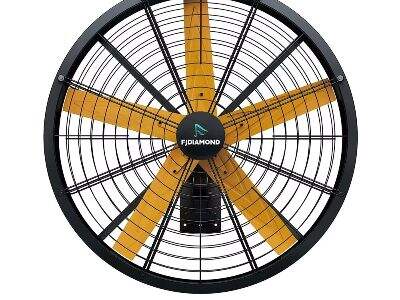
How to Choose Corrosion-Resistant Fans for Food Processing
Selecting a corrosion-resistant fan involves understanding the environmental conditions of your facility and the specific applications you need the fan for. Key factors to consider include the type of food processing—whether it involves wet or dry environments—and the presence of chemical substances that could accelerate corrosion
Buyers should prioritize fans that are designed with protective coatings or finishes, such as epoxy or powder coating, which can enhance corrosion resistance. Additionally, consider features like sealed motor enclosures that prevent moisture ingress and ensure reliable operation
It's also important to verify the fan’s compliance with relevant certifications. For instance, fans that meet CE or ETL standards often undergo rigorous testing that confirms their durability and safety in industrial settings. Always request documentation proving compliance to ensure you're investing in a quality product
Key Specifications for Food-Processing Fan Selection and Sourcing
When sourcing fans for food-processing applications, several specifications should be prioritized
Airflow Capacity: Measured in cubic feet per minute (CFM), the airflow capacity must match the requirements of your facility. Insufficient airflow can lead to temperature imbalances, affecting product quality
Fan Diameter and Blade Design: The size and design of the fan blades directly impact efficiency and noise levels. For food-processing environments, a larger diameter with a lower RPM can provide effective cooling without excessive noise
Motor Specifications: Look for energy-efficient motors that comply with industry standards. Motors with high energy efficiency can significantly reduce operational costs over time
Noise Level: An acceptable noise level is crucial in food-processing environments to maintain a comfortable working atmosphere. Check for dB ratings and ensure they meet workplace regulations
Mounting Options: Wall-mounted fans should have adjustable mounting options to accommodate various installation scenarios. Ensuring flexibility in installation can facilitate maintenance and replacement processes
Installation Guidance for Wall-Mounted Corrosion-Resistant Fans
Proper installation is critical for maximizing the performance of wall-mounted fans. Here are key considerations
Location: Install fans in areas with optimal airflow circulation. Avoid obstructing airflow with physical barriers or equipment
Height and Angle: Mount the fan at an appropriate height to ensure effective air distribution without causing discomfort to personnel. An angle of 15-30 degrees downward can enhance airflow towards the work area
Electrical Connections: Ensure that all electrical connections are compliant with local regulations and that they are protected from moisture ingress to prevent electrical failures
Regular Maintenance: Establish a maintenance schedule to clean fan blades and check for signs of wear or corrosion. Regular inspections can prevent unexpected downtime and extend the fan's lifespan
Safety Measures: Follow safety protocols during installation, including using appropriate personal protective equipment and ensuring that the installation area is secure
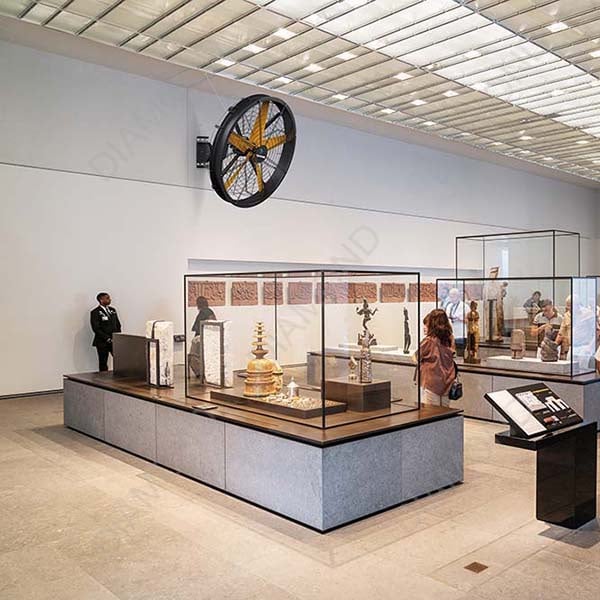
Common Problems with Industrial Fans and Effective Solutions
Even with the best specifications and installation practices, Industrial fan with remote control can face issues. Here are some common problems along with effective solutions
Vibration and Noise: Excessive vibration may indicate improper installation or imbalanced blades. Regular checks can help identify and rectify these issues early. Ensuring the fan is mounted securely and checking for any obstructions can also mitigate noise levels
Corrosion: Even corrosion-resistant materials can degrade if not properly maintained. Regular cleaning and inspections are essential. If corrosion is detected, consider re-coating or replacing affected components promptly
Motor Failure: A common cause of fan failure is motor burnout, often due to overheating. Ensure that motors are appropriately rated for the application and that airflow is sufficient to keep them cool
Inconsistent Airflow: This may result from blockages or improper fan sizing. Regularly inspect the fan's environment for debris and ensure it is the right size for your facility's needs
Power Issues: Fluctuations in power supply can affect the fan's performance. Implementing surge protection and ensuring the electrical system is stable can prevent damage to the fan
By following these guidelines for selecting and maintaining corrosion-resistant fans, purchasing managers and engineers can ensure they make informed decisions that optimize efficiency and reliability in food-processing operations
Table of Contents
- Understanding Corrosion-Resistance Standards for Industrial Fans
- How to Choose Corrosion-Resistant Fans for Food Processing
- Key Specifications for Food-Processing Fan Selection and Sourcing
- Installation Guidance for Wall-Mounted Corrosion-Resistant Fans
- Common Problems with Industrial Fans and Effective Solutions