
 EN
EN
 AR
AR
 NL
NL
 FR
FR
 DE
DE
 EL
EL
 HI
HI
 IT
IT
 JA
JA
 KO
KO
 PT
PT
 RU
RU
 ES
ES
 TL
TL
 IW
IW
 ID
ID
 VI
VI
 SQ
SQ
 ET
ET
 HU
HU
 TH
TH
 TR
TR
 FA
FA
 AF
AF
 MS
MS
 BE
BE
 HY
HY
 AZ
AZ
 BN
BN
 LO
LO
 LA
LA
 MN
MN
 NE
NE
 MY
MY
 KK
KK
 TG
TG
 UZ
UZ
 KY
KY
 XH
XH
 GA
GA
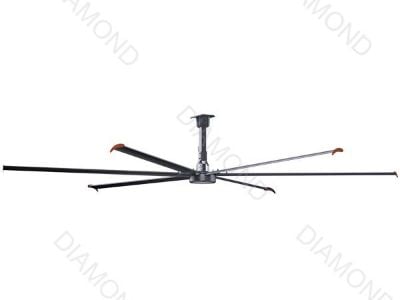
Eliminating thermal stratification in distribution centers is crucial for maximizing energy efficiency and maintaining product quality. High-Volume, Low-Speed (HVLS) ceiling fans play a vital role in achieving this, providing a cost-effective solution for managing temperature distribution in large facilities. We will explore how fan hvls eliminate thermal stratification, offer guidance on sourcing quality units, and highlight common problems in distribution centers that can be addressed with these fans.
How HVLS Fans Eliminate Thermal Stratification in Your Facility?
HVLS ceiling fans are designed to create a comfortable and uniform temperature throughout large spaces, such as distribution centers and warehouses. Unlike traditional high-speed fans that create localized airflow, hvls fans move a large volume of air at low speeds, resulting in gentle, even air circulation. This circulation helps to mix warmer air that gathers at the ceiling with cooler air at the floor level, effectively reducing thermal stratification.
By maintaining a consistent temperature, HVLS fans help to prevent issues related to spoilage or damage to temperature-sensitive products. Furthermore, this consistent airflow reduces the burden on HVAC systems, leading to significant energy savings. For instance, by eliminating temperature variations, facilities can operate their heating and cooling systems more efficiently, potentially lowering utility costs by up to 30%.
Sourcing Quality HVLS Fans for Your Projects
When sourcing HVLS fans, it is essential to consider several factors to ensure you select a reliable and effective solution. Begin by assessing the fan specifications, including diameter, motor type, and airflow efficiency. A larger hvls fan diameter generally means a greater coverage area, which is crucial for expansive spaces like distribution centers.
Additionally, confirm the manufacturer's quality control processes and certifications. A reputable manufacturer, such as FJDIAMOND Fans, adheres to standards such as ISO9001 and CE, ensuring that their products meet international safety and quality standards. It's also wise to inquire about the production capabilities and lead times, especially if you require a large quantity or customized solutions. Understanding the minimum order quantities (MOQ) can also help streamline your procurement process.
Choosing the Right HVLS Ceiling Fan
Selecting the right HVLS ceiling fan involves evaluating several key factors. First, determine the specific requirements of your facility, including the ceiling height, layout, and the types of goods stored. For instance, facilities with high ceilings may benefit from larger fans that can effectively circulate air over greater distances.
Next, consider the fan's energy efficiency ratings and operational noise levels, as these factors can impact overall comfort and cost-effectiveness. Look for fans that utilize advanced motor technology, which can help reduce energy consumption while providing reliable performance.
Customization options should also be factored in. Some manufacturers offer various finishes, colors, and control systems, allowing you to tailor the fans to your specific operational needs and aesthetic preferences.
Common Problems in Distribution Centers and HVLS Fan Solutions
Distribution centers often face challenges related to temperature control, air quality, and inefficient energy use. Thermal stratification is a common issue, where warmer air accumulates near the ceiling, leading to inconsistent temperatures throughout the space.
HVLS fans address these problems by promoting air mixing and reducing temperature gradients. They can also help mitigate humidity issues, which can lead to condensation and mold growth. By maintaining consistent airflow, HVLS fans reduce the likelihood of product damage and spoilage, particularly for sensitive items like food and pharmaceuticals.
Moreover, the gentle airflow generated by HVLS fans helps to improve employee comfort, which can enhance productivity. A comfortable working environment reduces fatigue and promotes a more efficient workforce, making it an essential consideration for facility managers.
Applications of HVLS Fans in Reducing Energy Costs in Warehouses
The application of HVLS fans in warehouses and distribution centers extends beyond just temperature control. By enhancing air circulation, these fans contribute to overall energy efficiency, especially in facilities that rely heavily on HVAC systems.
Using HVLS fans in conjunction with existing heating and cooling systems can lead to reduced energy consumption. The consistent airflow allows HVAC systems to operate more efficiently, as they no longer need to compensate for temperature discrepancies caused by stratification. This can lead to lower energy bills and a reduced carbon footprint.
Furthermore, HVLS fans can be beneficial in seasonal changes. By operating in reverse during colder months, they can help redistribute warm air that collects at the ceiling, ensuring that the entire space remains comfortable without overworking heating systems.
In summary, integrating HVLS ceiling fans into your distribution center can effectively eliminate thermal stratification, improve energy efficiency, and create a more comfortable working environment. By carefully considering fan specifications, sourcing from reputable manufacturers, and understanding the unique needs of your facility, you can make an informed decision that benefits your operations and bottom line.