
 EN
EN
 AR
AR
 NL
NL
 FR
FR
 DE
DE
 EL
EL
 HI
HI
 IT
IT
 JA
JA
 KO
KO
 PT
PT
 RU
RU
 ES
ES
 TL
TL
 IW
IW
 ID
ID
 VI
VI
 SQ
SQ
 ET
ET
 HU
HU
 TH
TH
 TR
TR
 FA
FA
 AF
AF
 MS
MS
 BE
BE
 HY
HY
 AZ
AZ
 BN
BN
 LO
LO
 LA
LA
 MN
MN
 NE
NE
 MY
MY
 KK
KK
 TG
TG
 UZ
UZ
 KY
KY
 XH
XH
 GA
GA
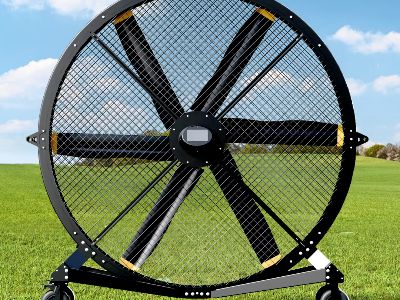
Low-noise gym fans can significantly impact member satisfaction scores, creating a comfortable and inviting atmosphere for gym-goers. As a purchasing manager or facility operator, understanding the specifications and benefits of these fans is crucial for ensuring a positive experience. This article will delve into how the right low-noise gym fan can enhance member satisfaction, covering essential specifications, cost considerations, installation tips, and solutions to common problems.
Key Specifications to Evaluate in Low-Noise Gym Fans
When selecting low-noise gym fans, several critical specifications should be considered to ensure optimal performance and member comfort:
Noise Level: This is perhaps the most crucial factor. Look for fans that operate at sound levels below 50 dB, as this is generally considered quiet enough not to disrupt workouts or conversations.
Airflow Capacity: Measured in cubic feet per minute (CFM), this specification indicates the volume of air the fan can move. For gyms, a higher CFM is preferable to maintain air circulation effectively. A fan with adjustable speed settings can offer versatility based on the activity level in the gym.
Energy Efficiency: Energy-efficient models will not only reduce operational costs but also contribute to sustainability goals. Look for fans that meet or exceed energy efficiency standards such as ENERGY STAR certification.
Durability and Materials: The materials used in the fan's construction affect its longevity and maintenance needs. Fans made from high-quality, corrosion-resistant materials will perform better in the humid environment of a gym.
Size and Mounting Options: Depending on the gym's layout, fans come in various sizes and mounting options, including ceiling, wall, and portable models. Ensure the selected fan fits the space and provides adequate coverage.
By understanding these specifications, gym fan operators can make informed decisions that enhance member satisfaction and operational efficiency.
Cost Considerations for Wholesale Low-Noise Gym Fans
Purchasing low-noise gym fans in bulk can lead to significant cost savings, but several factors will influence the overall expenditure:
Unit Price: The cost per fan will vary based on the specifications, brand, and features. Higher-quality fans may have a higher upfront cost but can provide savings in energy consumption and maintenance over time.
Minimum Order Quantity (MOQ): Many manufacturers set a MOQ for wholesale orders. Understanding the MOQ can help in budgeting and planning the purchase effectively. It’s essential to balance the need for multiple units with the storage and installation capacity.
Shipping and Handling: Factor in shipping costs, which can vary significantly based on the weight and dimensions of the fans. Consider local suppliers to reduce freight costs and lead times.
Warranty and Support: A more extended warranty or better customer support may justify a higher initial investment, offering peace of mind regarding future repairs or replacements.
Long-term Cost Savings: Evaluate the potential savings from reduced energy costs and maintenance when selecting fans. Investing in higher-quality, energy-efficient fans can result in lower total cost of ownership over time.
By carefully considering these cost factors, purchasing managers can optimize their budgets while ensuring high-quality air circulation in their facilities.
Installation Tips for Optimal Performance of Gym Fans
Proper installation is essential to maximize the performance of low-noise gym fans. Here are some key tips:
Location: Position fans in areas where airflow can be maximized. For larger gyms, consider strategically placing multiple fans to ensure even air distribution across the space.
Height and Mounting: Install fans at the appropriate height to allow for effective airflow without obstructing workout areas. Ceiling-mounted fans should be at least 10-12 feet above the ground for optimal performance.
Electrical Considerations: Ensure that the electrical supply can support the fan’s power requirements. It may be necessary to consult with an electrician to verify that the installation complies with local electrical codes.
Regular Maintenance: After installation, establish a maintenance schedule to clean and inspect the fans regularly. This will help prevent operational issues and extend the lifespan of the equipment.
User Controls: Consider installing user-friendly controls that allow gym-goers to adjust fan settings as needed. This can enhance comfort and member satisfaction.
Following these installation tips can help ensure that low-noise gym fans operate at peak efficiency, contributing to a positive gym environment.
What to Look For?
When sourcing low-noise gym fans, consider the following aspects to ensure you choose the right product:
Reputation of the Manufacturer: Research manufacturers with a proven track record in producing reliable and efficient fans. Look for certifications such as ISO9001, CE, and ETL, which indicate compliance with quality and safety standards.
Customization Options: Some manufacturers offer customization in terms of size, color, and features. This can be beneficial for aligning the fans with your gym's branding or specific operational needs.
Customer Reviews and Case Studies: Investigate customer feedback and case studies to assess how the fans perform in real-world settings. This can provide valuable insights into reliability and effectiveness.
Technical Support and Warranty: Ensure that the manufacturer provides quality technical support and a reasonable warranty period. This is crucial for addressing any issues that may arise post-installation.
Energy Consumption: Inquire about the fan's energy consumption ratings to ensure that operational costs will align with your budgetary expectations.
By focusing on these aspects, gym operators can make informed decisions that enhance member satisfaction and operational success.
Common Problems with Gym Fans and Effective Solutions
Gym fans can encounter various issues that may affect their performance. Here are some common problems and practical solutions:
Excessive Noise: If a fan is noisier than expected, check for loose parts or debris obstructing the blades. Regular maintenance and cleaning can prevent this issue. If noise persists, consider upgrading to a fan specifically designed for low-noise operation.
Inadequate Airflow: If airflow is insufficient, ensure that the fan is correctly sized for the space and positioned at the optimal height. Adjusting the fan's speed settings may also help improve airflow.
Electrical Issues: If the fan fails to operate, inspect the power supply and connections. Engaging a qualified electrician can help diagnose and resolve electrical issues.
Frequent Breakdowns: If fans are breaking down often, it may indicate a need for better quality equipment or insufficient maintenance practices. Ensure that a regular maintenance schedule is in place to address wear and tear promptly.
Poor Customer Support from Suppliers: If issues arise with a fan, having reliable support from the manufacturer is essential. Choose suppliers known for excellent customer service to ensure that any problems can be resolved swiftly.
By being aware of these common problems and their solutions, gym operators can maintain optimal fan performance and enhance member satisfaction.
selecting the right low-noise Commercial gym fan involves understanding key specifications, cost considerations, installation techniques, and being prepared to address common issues. By following the guidance outlined, purchasing managers can significantly improve member satisfaction scores, creating an inviting atmosphere for all gym-goers.