
 EN
EN
 AR
AR
 NL
NL
 FR
FR
 DE
DE
 EL
EL
 HI
HI
 IT
IT
 JA
JA
 KO
KO
 PT
PT
 RU
RU
 ES
ES
 TL
TL
 IW
IW
 ID
ID
 VI
VI
 SQ
SQ
 ET
ET
 HU
HU
 TH
TH
 TR
TR
 FA
FA
 AF
AF
 MS
MS
 BE
BE
 HY
HY
 AZ
AZ
 BN
BN
 LO
LO
 LA
LA
 MN
MN
 NE
NE
 MY
MY
 KK
KK
 TG
TG
 UZ
UZ
 KY
KY
 XH
XH
 GA
GA
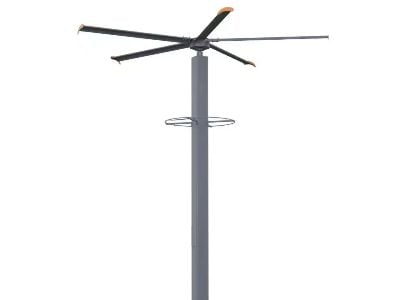
As facility managers face the challenges of maintaining effective climate control in large spaces, many are transitioning from traditional HVAC zones to a single High-Volume Low-Speed (HVLS) fan system. This shift is driven by the need for energy efficiency, cost reduction, and improved air circulation. We will explore why facility managers are opting for HVLS fans over conventional HVAC solutions, addressing key advantages, cost factors, and essential specifications to consider during the purchasing process.
What are the Key Advantages of HVLS Fans Over Traditional HVAC Zones?
HVLS fans offer several distinct advantages compared to traditional HVAC systems. One of the most significant benefits is energy efficiency. HVLS fans operate at low speeds while moving large volumes of air, which can lead to a reduction in heating and cooling costs. By circulating air more effectively, these fans help maintain a more uniform temperature throughout large spaces, reducing the need for extensive HVAC systems. Another advantage is the reduced maintenance requirement. Traditional HVAC systems can be complex and costly to maintain, often requiring regular servicing and part replacements. In contrast, HVLS fan are designed for durability and longevity, with fewer moving parts, which means lower maintenance costs and less downtime. Moreover, HVLS fans can improve indoor air quality. By enhancing air circulation, they help eliminate stagnant air and reduce humidity levels, which can lead to a healthier indoor environment. This is particularly important in facilities such as warehouses, gymnasiums, and manufacturing plants, where air quality can significantly impact worker productivity and comfort.
Understanding the Cost Factors of Switching to HVLS Fans
When considering a switch to HVLS fans, facility managers should evaluate several cost factors. The initial investment in HVLS fans may seem high compared to traditional HVAC systems; however, the long-term savings often outweigh these upfront costs. Key cost considerations include:
Energy Savings: HVLS fans can significantly reduce energy bills by minimizing the reliance on HVAC systems. The energy efficiency of these fans can lead to substantial savings over time, making them a cost-effective solution.
Installation Costs: While installation may require some initial expenditure, HVLS fans are generally easier to install compared to full-scale HVAC systems. They can often be retrofitted into existing spaces without extensive modifications.
Maintenance Expenses: As mentioned earlier, HVLS fans have lower maintenance requirements. This translates to reduced costs associated with repairs and servicing over their lifespan.
Potential Tax Incentives: Some regions offer tax rebates or incentives for energy-efficient installations, which can further offset the initial investment in HVLS fans.
By conducting a thorough cost-benefit analysis, facility managers can determine if the shift to HVLS fan industrial is financially viable for their operations.
Specifications That Matter for Buyers
When purchasing HVLS fans, buyers should consider several key specifications to ensure they select the right product for their facility. Important factors include:
Diameter: The diameter of the HVLS fan directly affects its airflow capacity. Larger fans can move more air, making them suitable for larger spaces. Buyers should assess the size of their facility to determine the appropriate fan diameter.
Motor Power: The power of the motor is crucial for fan performance. A more powerful motor can drive larger blades, increasing airflow and efficiency. Buyers should ensure that the motor specifications align with their intended application.
Blade Design: The design and material of the fan blades can impact both performance and durability. High-quality materials like aluminum or reinforced composites can enhance longevity and efficiency.
Control Options: Modern HVLS fans often come with variable speed controls, allowing users to adjust airflow based on specific needs. Buyers should consider whether they require basic on/off controls or advanced features like remote operation or integration with building management systems.
Safety Certifications: Ensure that the HVLS fans meet relevant safety standards and certifications, such as ISO9001 and CE. This guarantees that the products comply with quality and safety regulations.
By understanding these specifications, buyers can make informed decisions that best suit their operational needs.
Common Problems Faced with Traditional HVAC and Their Solutions
Traditional HVAC systems often come with a host of challenges, which HVLS fans can effectively address. Common issues include:
Inefficient Air Distribution: Traditional HVAC systems may struggle to distribute air evenly, leading to hot and cold spots within a facility. HVLS fans mitigate this by promoting better air circulation, creating a more consistent temperature throughout the space.
High Energy Consumption: Traditional systems can consume significantly more energy, especially in large facilities. By utilizing HVLS fans, facility managers can reduce reliance on HVAC units, leading to lower energy bills.
Humidity Control Issues: HVAC systems sometimes fail to adequately control humidity levels, which can lead to discomfort and health issues. HVLS fans can help lower humidity by increasing evaporation rates, thereby improving indoor air quality.
Maintenance Challenges: The complexity of HVAC systems often leads to higher maintenance costs. HVLS fans, with their simpler design, require less frequent servicing, translating to lower overall operational costs.
By integrating HVLS fans into their climate control strategy, facility managers can effectively resolve these common HVAC issues.
Evaluating the Quality Control Standards of HVLS Fan Manufacturers
Quality assurance is crucial when selecting an HVLS fan manufacturer. Buyers should evaluate the following quality control standards:
Certifications: Check for industry-standard certifications such as ISO9001, CE, and ETL. These certifications indicate that the manufacturer adheres to rigorous quality and safety standards.
Testing Procedures: Understand the manufacturer's testing protocols. A reputable manufacturer will conduct thorough testing on their fans, covering performance, safety, and durability. Buyers should inquire about the specifics of these tests.
Production Capabilities: Evaluate the manufacturer's production capabilities and equipment. A well-equipped factory, like FJDIAMOND Fans, with advanced machinery and skilled personnel, can ensure consistent product quality.
Quality Control Processes: Investigate the quality control processes implemented by the manufacturer. This includes inspections during various production stages and final product testing. Effective quality control helps identify and resolve potential issues before products reach the market.
Customer Feedback and Reviews: Research customer feedback and case studies to gauge the reliability and performance of the manufacturer’s products. Positive testimonials and successful deployments can provide insights into the manufacturer's reputation in the industry.
By thoroughly evaluating these quality control aspects, buyers can ensure they partner with a trustworthy manufacturer who delivers high-quality HVLS fans tailored to their specific needs.