
 EN
EN
 AR
AR
 NL
NL
 FR
FR
 DE
DE
 EL
EL
 HI
HI
 IT
IT
 JA
JA
 KO
KO
 PT
PT
 RU
RU
 ES
ES
 TL
TL
 IW
IW
 ID
ID
 VI
VI
 SQ
SQ
 ET
ET
 HU
HU
 TH
TH
 TR
TR
 FA
FA
 AF
AF
 MS
MS
 BE
BE
 HY
HY
 AZ
AZ
 BN
BN
 LO
LO
 LA
LA
 MN
MN
 NE
NE
 MY
MY
 KK
KK
 TG
TG
 UZ
UZ
 KY
KY
 XH
XH
 GA
GA
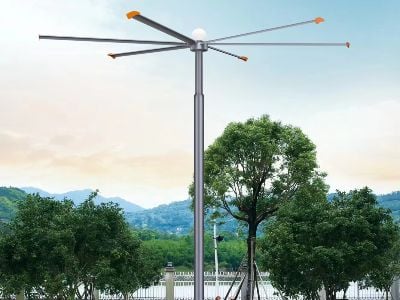
When managing outdoor loading docks, heat stress can significantly affect worker safety and productivity. Utilizing a weatherproof outside fan can be an effective solution to mitigate heat stress in these environments. This article will guide you through selecting the right fan, understanding key specifications, ensuring quality control, sourcing reliable products, and installation guidance for outdoor fans. Addressing these areas will help purchasing managers and engineers make informed decisions to enhance their loading dock operations.
How to Choose the Right Weatherproof Fan for Loading Docks?
Selecting the appropriate weatherproof fan for outdoor loading docks involves several critical considerations. First, assess the fan's airflow capacity, often measured in cubic feet per minute (CFM). A fan with a higher CFM will circulate more air, which is essential in a high-heat environment. Next, consider the fan's durability and weather resistance. Look for fans constructed from corrosion-resistant materials, such as galvanized steel or high-quality plastics, to withstand outdoor elements. Additionally, ensure that the outside fan comes with a suitable IP rating, indicating its protection against dust and moisture. A fan rated IP55 or higher is advisable for outdoor use. Lastly, evaluate the fan's energy efficiency. Choosing a model that operates at a low speed but produces high volume (HVLS) can significantly reduce operational costs while maintaining effective cooling. This is particularly valuable in commercial operations where energy savings directly impact the bottom line.
Key Specifications of Outdoor Fans for Heat Stress Solutions
When reviewing specifications for outdoor fans designed to combat heat stress, focus on several key metrics:
Airflow Performance: As mentioned, the CFM rating provides insight into how effectively the fan can move air. For loading docks, a fan with a minimum of 10,000 CFM is often recommended, depending on the size of the area.
Blade Diameter and Design: Larger blades generally move more air at lower speeds, making them more efficient for large spaces. Look for fans with aerodynamic blade designs, as these can maximize airflow while minimizing noise levels.
Motor Type: Opt for fans with efficient motors, such as brushless DC motors, that consume less energy and require less maintenance compared to traditional AC motors. This is critical in environments where continuous operation is necessary.
Control Features: Consider fans that offer variable speed settings and remote control options. This allows for customization based on real-time temperature changes, enhancing comfort and energy efficiency.
Understanding these specifications will help you select a standing outside fan that not only meets operational needs but also aligns with budgetary constraints.
Quality Control Standards for Fans Used in Outdoor Applications
Quality control is essential in ensuring that outdoor fans perform reliably in demanding conditions. At FJDIAMOND Fans, our manufacturing process adheres to strict quality control standards, including ISO9001 and ETL certifications, ensuring that each fan meets rigorous safety and performance benchmarks.
Before mass production, it's advisable for buyers to request prototype samples. These samples should be tested under actual environmental conditions to assess their performance in terms of airflow, noise levels, and durability. During the inspection, check for consistent build quality, ensuring that all components meet the specified materials and design.
Additionally, ongoing quality checks during production, including dimensional accuracy and material integrity tests, can help prevent defects. Buyers should inquire about the manufacturer's quality assurance processes to ensure that they are equipped to handle any production challenges.
Where to Source Reliable Weatherproof Fans for Your Projects?
Sourcing reliable weatherproof fans involves identifying reputable manufacturers and suppliers who specialize in outdoor applications. Start by researching companies with a proven track record in producing HVLS fans, as their expertise will ensure that their products are tailored for efficient outdoor performance.
Check for certifications that authenticate product quality and compliance with safety standards. A manufacturer with ISO9001, CE, or ETL certifications demonstrates a commitment to quality and safety, which is critical in outdoor industrial settings.
Networking within industry-specific forums and attending trade shows can also provide insights into the best manufacturers and suppliers. Peer recommendations can guide you toward companies known for their reliability and customer service. Once you've shortlisted potential suppliers, evaluate them based on their product range, customization options, and lead times to ensure they meet your project requirements.
Installation Guidance for Outdoor Fans in High-Heat Environments
Proper installation of weatherproof fans plays a crucial role in their performance and longevity. Begin by carefully assessing the layout of the loading dock. Position the fans to maximize airflow across work areas, ensuring that air is directed toward heat-generating zones.
Before installation, verify that the mounting structure can support the fan's weight and size. Weatherproof fans should be securely installed to withstand wind and adverse weather conditions. Utilize vibration dampeners to minimize noise and mechanical wear.
During installation, pay attention to the orientation of the fan blades. Proper alignment ensures optimal airflow and efficiency. After installation, conduct a thorough operational check to confirm that the 10 foot ceiling fan operates smoothly across its speed settings. Regular maintenance, including cleaning and inspections, will help prolong the fan's lifespan and ensure continued performance in high-heat environments.
By following these guidelines, purchasing managers and engineers can effectively address heat stress in outdoor loading docks, ensuring a safer, more comfortable working environment.
Table of Contents
- How to Choose the Right Weatherproof Fan for Loading Docks?
- Key Specifications of Outdoor Fans for Heat Stress Solutions
- Quality Control Standards for Fans Used in Outdoor Applications
- Where to Source Reliable Weatherproof Fans for Your Projects?
- Installation Guidance for Outdoor Fans in High-Heat Environments