
 EN
 AR
 NL
 FR
 DE
 EL
 HI
 IT
 JA
 KO
 PT
 RU
 ES
 TL
 IW
 ID
 VI
 SQ
 ET
 HU
 TH
 TR
 FA
 AF
 MS
 BE
 HY
 AZ
 BN
 LO
 LA
 MN
 NE
 MY
 KK
 TG
 UZ
 KY
 XH
 GA
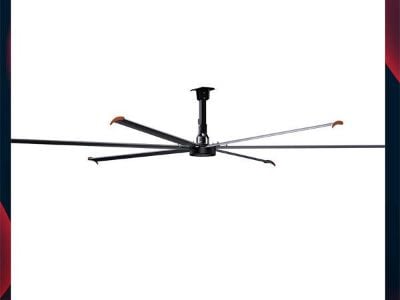
When sourcing an industrial ceiling fan from an ISO9001 manufacturer, understanding how to pass factory audit requirements is crucial. This process ensures that the products meet quality and safety standards while aligning with your operational needs. B2B buyers, including purchasing managers and engineers, are often concerned about product reliability, quality assurance, and compliance with industry regulations. This article will help you navigate the critical aspects of sourcing, including specifications, cost factors, and common challenges to ensure a successful procurement process.
What to Consider When Sourcing Industrial Ceiling Fans Wholesale
When sourcing industrial ceiling fans wholesale, several key considerations can impact your purchasing decision. Firstly, it's essential to evaluate the manufacturer's certifications, such as ISO9001, which indicates a commitment to quality management and continuous improvement. This certification assures that the manufacturer has effective quality control processes in place, which is vital for minimizing defects and ensuring compliance with safety standards.
Additionally, consider the manufacturer's experience and reputation in the industry. A supplier like FJDIAMOND Fans, with a robust testing lab and strict QC measures, can provide valuable insights into product performance and reliability. Furthermore, assess the supplier's production capabilities, including their machinery and workforce, to ensure they can meet your volume requirements and customization needs.
Lastly, understanding the supplier's logistics and shipping capabilities is essential, particularly if you are sourcing from international markets. Ensure they can handle packaging and delivery effectively to avoid delays that can impact your operations.
Key Specifications to Evaluate in HVLS Ceiling Fans for Projects
When evaluating high-volume, low-speed (HVLS) ceiling fans, several specifications warrant close attention. Key factors include blade diameter, motor power, and airflow efficiency. The blade diameter directly affects the fan's coverage area and airflow distribution, making it crucial to choose a size that fits your facility's dimensions.
Motor power is another critical specification, as it determines the fan's ability to operate efficiently under varying loads. Look for fans with energy-efficient motors that comply with industry standards, as this can significantly reduce operational costs over time. The airflow efficiency, often measured in cubic feet per minute (CFM), should also be assessed to ensure that the industrial ceiling fan delivers adequate circulation for your specific application.
Moreover, consider the fan's noise level, especially in environments where quiet operation is essential. High-quality fans are designed to minimize noise without compromising performance, ensuring a comfortable working environment.
Cost Factors to Assess When Purchasing Industrial Ceiling Fans
Understanding the cost structure of industrial ceiling fans is vital for effective budgeting. The initial purchase price is just one aspect; consider the total cost of ownership, which includes installation, maintenance, and energy consumption over time.
When obtaining quotes, ask suppliers about the minimum order quantity (MOQ) and any potential discounts for bulk purchases. Additionally, evaluate the lead time for production and delivery, as longer lead times can affect your project's timeline and budget.
Another cost factor to assess is the warranty and service agreements offered by the manufacturer. A longer warranty period can provide peace of mind regarding product durability and performance, while responsive service support can minimize downtime in the event of a malfunction.
Lastly, consider any customization options that may incur additional costs. Tailoring industrial ceiling fans to meet specific application requirements can enhance performance but may also impact the overall price.
Common Problems with Ceiling Fans and Effective Solutions
When sourcing industrial ceiling fans, it's essential to be aware of common issues that may arise and how to address them effectively. One prevalent problem is inadequate airflow, which can stem from improper installation or fan sizing. Ensure that the fan's specifications align with your space requirements to avoid this issue.
Another common concern is noise, which can be disruptive in workplace environments. Choosing fans with advanced motor technology designed for quiet operation can mitigate this issue. Before finalizing your order, request sound level specifications to ensure the fan meets your noise tolerance.
Additionally, vibration can be an issue if the fan is not correctly balanced. This can lead to increased wear and tear on the fan components. Always verify that the manufacturer conducts balance testing during production to prevent this problem.
Lastly, ensure that your fans are designed for the specific environmental conditions they will face, such as humidity or temperature variations. Selecting the right materials and protective coatings can enhance the fan's longevity and performance in challenging environments.
Understanding Material Advantages in High-Volume Ceiling Fans
The materials used in the construction of HVLS ceiling fans play a significant role in their performance and durability. Common materials include aluminum, steel, and composite plastics. Each material offers distinct advantages and is suited to different applications.
Aluminum is lightweight and resistant to corrosion, making it an excellent choice for fans used in humid or corrosive environments. This material can also enhance energy efficiency due to its lightweight nature, allowing for easier movement and less strain on the motor.
Steel, while heavier, provides structural strength and stability, making it suitable for larger fans in industrial applications. However, it may require protective coatings to prevent rust and corrosion, especially in outdoor settings.
Composite plastics are increasingly used for their versatility and resistance to environmental factors. They can be molded into various shapes, offering design flexibility while maintaining durability.
When selecting materials, consider the specific operational environment and performance requirements of your application. Confirm with the manufacturer that the chosen materials meet your operational standards and any relevant industry regulations.
By understanding these factors and engaging with a reputable manufacturer like FJDIAMOND Fans, you can successfully navigate the complexities of sourcing industrial ceiling fan while ensuring compliance with factory audit requirements.
Table of Contents
- What to Consider When Sourcing Industrial Ceiling Fans Wholesale
- Key Specifications to Evaluate in HVLS Ceiling Fans for Projects
- Cost Factors to Assess When Purchasing Industrial Ceiling Fans
- Common Problems with Ceiling Fans and Effective Solutions
- Understanding Material Advantages in High-Volume Ceiling Fans