
 EN
 AR
 NL
 FR
 DE
 EL
 HI
 IT
 JA
 KO
 PT
 RU
 ES
 TL
 IW
 ID
 VI
 SQ
 ET
 HU
 TH
 TR
 FA
 AF
 MS
 BE
 HY
 AZ
 BN
 LO
 LA
 MN
 NE
 MY
 KK
 TG
 UZ
 KY
 XH
 GA
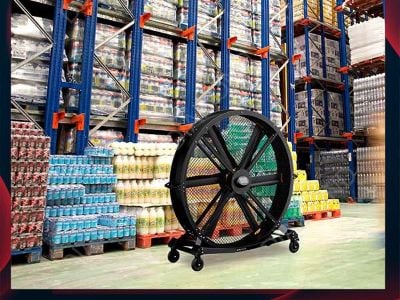
Eliminating floor-level hot spots that an overhead system can't reach with an oscillating floor fan is crucial for improving air circulation in various industrial settings. These big floor fans provide a targeted approach to airflow, reducing stagnant air and creating a more comfortable environment for personnel and equipment. This article will help purchasing managers, facility engineers, and other B2B buyers understand how to select the right oscillating fan, what specifications to consider, cost factors, installation guidance, and options for bulk ordering.
Choosing the Right Oscillating Fan for Effective Air Circulation
When selecting an oscillating floor fan, understanding the specific air circulation needs of your facility is paramount. Oscillating fans are designed to cover larger areas by distributing air more evenly than fixed fans, making them ideal for spaces where overhead systems may not reach effectively.
Consider the height and layout of your facility, as well as the type of equipment in operation. For instance, in a manufacturing plant, the fan height should align with the typical height of floor-level hot spots. Additionally, the oscillation range is critical; fans with a wider oscillation angle will cover more area, reducing temperature discrepancies.
Buyers should also consider the fan's power and airflow capabilities, typically measured in cubic feet per minute (CFM). A fan with a higher CFM rating will be more effective in larger spaces. Finally, ensure that the huge floor fans design is robust enough for industrial environments, which may include dust, moisture, or varying temperatures.
Specifications to Consider for Industrial Oscillating Floor Fans
When evaluating oscillating floor fans, several key specifications should be considered:
Motor Power: Look for fans with heavy-duty motors that can sustain prolonged use without overheating. Industrial environments often require more power to maintain airflow in larger spaces or against higher temperatures.
Blade Size: Larger blades typically move more air, so consider the fan's blade diameter in relation to the space it needs to ventilate. A fan with a diameter of 20 inches or more is often suitable for industrial applications.
Speed Settings: Multiple speed settings allow for flexibility in airflow control. This is especially useful in environments with varying cooling needs throughout the day.
Durability: Materials used in construction should withstand industrial use. Look for fans made from corrosion-resistant materials and those that are easy to clean.
Safety Features: Certifications such as CE and ETL indicate compliance with safety standards. Fans should have features like sturdy guards to prevent accidents and ensure safe operation around personnel.
By confirming these specifications, buyers can ensure that the oscillating floor fan will meet their operational needs effectively.
Cost Factors to Consider When Purchasing Oscillating Fans
The cost of oscillating floor fans can vary significantly based on several factors:
Quality and Material: Higher-quality materials may increase the upfront cost but can lead to lower maintenance and replacement costs over time. Fans built with high-grade metals and reinforced plastics are often more durable.
Technical Features: Advanced features like remote control, programmable settings, or integrated sensors can increase the cost. Determine which features are essential for your operation to avoid overspending.
Volume of Purchase: Many manufacturers, including FJDIAMOND Fans, offer discounts for bulk orders. Evaluating your needs for multiple units can result in significant savings.
Shipping and Installation Costs: Factor in the costs associated with shipping and any installation services required. These can add a substantial amount to the total purchase price.
Warranty and Support: A longer warranty might increase the purchase price but can provide peace of mind and reduce long-term costs. Ensure that you understand what is covered under the warranty.
By considering these cost factors, buyers can make more informed decisions while ensuring they receive good value for their investment.
Installation Guidance for Oscillating Fans in Industrial Settings
Proper installation of oscillating floor fans is critical to maximizing their effectiveness. Begin by identifying the optimal locations for installation, focusing on areas with known hot spots.
Height and Orientation: Position the fans at a height that allows them to effectively circulate air across the floor level without obstruction. Ideally, the fan blades should be at least 7 feet off the ground in industrial environments to prevent accidents and ensure optimal airflow.
Secure Mounting: Ensure that the fans are securely mounted to prevent tipping or movement during operation. If the fans are mobile, consider using rubber feet or wheels that lock in place.
Electrical Requirements: Verify that the power supply can support the fan's motor requirements. Ensure that all wiring complies with local electrical codes. Always consult a qualified electrician for installation to prevent potential hazards.
Testing: Once installed, run the fans at different speeds to ensure proper functioning and adjust their positioning if necessary to achieve optimal air circulation throughout the workspace.
Following proper installation guidelines can enhance the performance of oscillating fans and contribute to a more comfortable work environment.
Wholesale Options for Bulk Orders of Oscillating Floor Fans
For businesses looking to purchase oscillating floor fans in larger quantities, exploring wholesale options can lead to significant benefits:
Volume Discounts: Many manufacturers, including FJDIAMOND Fans, offer tiered pricing based on the quantity ordered. Understanding the minimum order quantities (MOQ) can help you negotiate better pricing.
Customization: When ordering in bulk, consider whether customization options are available. This can include branding, color variations, or specific technical modifications to meet your facility's needs.
Lead Times: Discuss lead times with suppliers when placing bulk orders. Manufacturing and delivery times can vary, so understanding these timelines will help you plan accordingly and avoid disruptions.
Sample Approval: Prior to mass production, request samples to ensure that the large floor fan meet your specifications and quality standards. This step can prevent costly mistakes in large orders.
Shipping and Logistics: Work with suppliers to coordinate shipping logistics, especially if you are ordering from overseas. Understanding freight costs and delivery timelines will help you manage your inventory effectively.
By leveraging wholesale options, you can ensure that your facility is equipped with the necessary oscillating fans while optimizing your budget.
Table of Contents
- Choosing the Right Oscillating Fan for Effective Air Circulation
- Specifications to Consider for Industrial Oscillating Floor Fans
- Cost Factors to Consider When Purchasing Oscillating Fans
- Installation Guidance for Oscillating Fans in Industrial Settings
- Wholesale Options for Bulk Orders of Oscillating Floor Fans